 This page fills my head with ideas! Steam engines, electrostatic generators, bi-metallic motors… Mumm.. Well if your not the tinkering kind of person then you should be happy to know that everything at Exergia is for sale. Yep, in kit form or a finished unit. So explore the wonders of science today! Or at lest by mid noon of next week. 🙂
A bit from the site:
Sophisticated demonstration models of alternative energy technologies for universities, schools and interested individuals: Stirling Engines and steam engines, fuel cells, photovoltaic objects, toys and more! Discover extraordinary ideas in energy related devices: Educational devices inspired by old and new concepts to demonstrate the physical principles of conventional and alternative energy conversion."
[via MAKE]

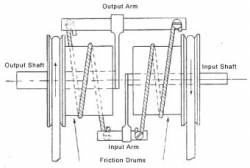 I was running around the Internet a few days ago and happened across this web page on Meccano hobbyists. It gives a great explanation of how an analog computer works.
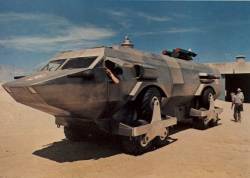 Any science fiction fan worth their salt knows what your talking about when you mention the word "Landmaster". Arguable one of the most recognized vehicle ever created for a movie (
 ), this monster of a futuristic super survival truck was built to last and actually be practical. Meaning that it’s not just for show but it actually works. The Landmasters most noticeable feature is its odd tri-star wheel arrangement. Twelve wheels, all powered but only eight are in contact with the road, are set into four triangular mounts that will rotate over large obstacles. This gives the Landmaster the ability to go through deep mud, over big rocks, and pretty deep water. Turning this beast is done with an articulated joint in the middle of the vehicle. Did I mention that it floats? Yeah, it floats. It’s amazing that such detail was given to a prop in a move. It’s a tribute to the skill of Dean Jefferies, car master and artist. He built loads of cars that appeared in films in the 60’s and 70’s like the
 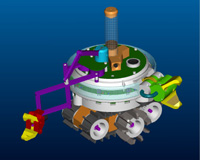 Ok, the title is a little misleading, its not that the robots themselves are getting smarter it’s that the programming is getting better.