 This is a fascinating idea of how to lob a payload into space with water. Ok, not quite the water rockets you bought when you were a kid (or built as an adult), this uses the vacuum created by burning oxygen and hydrogen to force a column of water into a pocket of hydrogen gas that launches the rocket ( SCRAM jet) into low orbit. The payload needs to be pretty strong, the gee forces are going to be quite extreme. Also, as it needs water to work it can be lashed to a boat and towed to a launch site near the equator and if something goes wrong stuff won’t fall on the neighbors. If this system proves practical it may become the preferred way of lifting tough payloads to a waiting space station.
[via new scientist]
HYPACC
 The latest offering from the guys in Japan:
 I was quite impressed when I learned that the sport of model rocketry was alive and well in the former Soviet Union. Every year in Baikonur,
  You know, nothing says ‘Fourth of July’ like rockets shooting out of the pool!
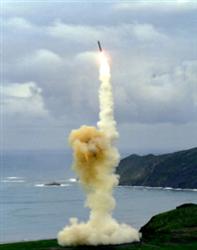 This is of interest if you are in southern California or, if people are lucky, in Arizona.
  Simply amazing, I find the notion of not hearing your own pulse fascinating and very eerie.